
Isabella
Pedroli-Graves
An Early Love
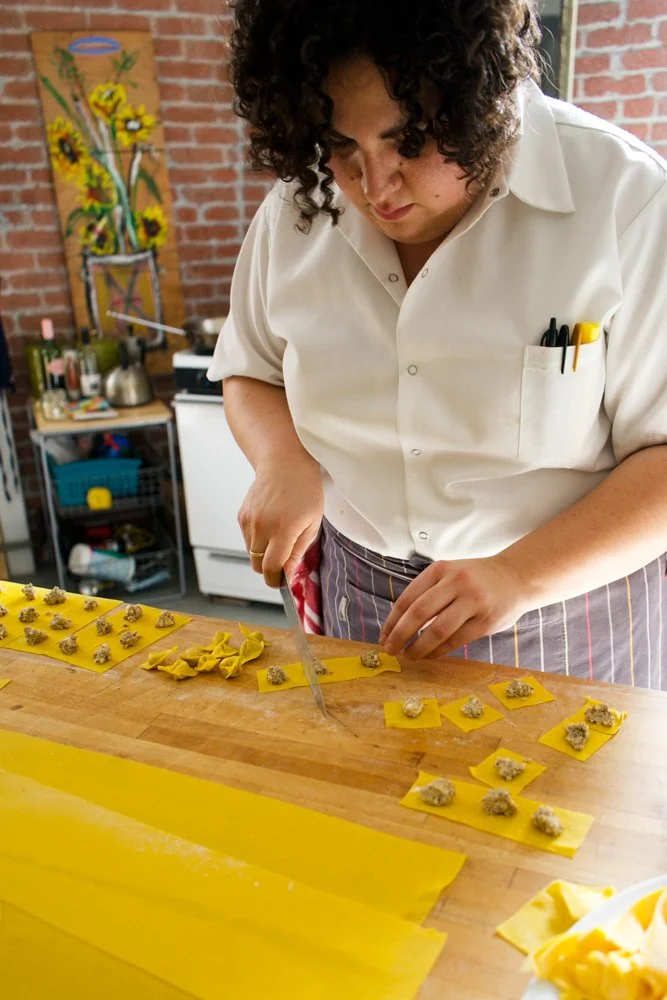
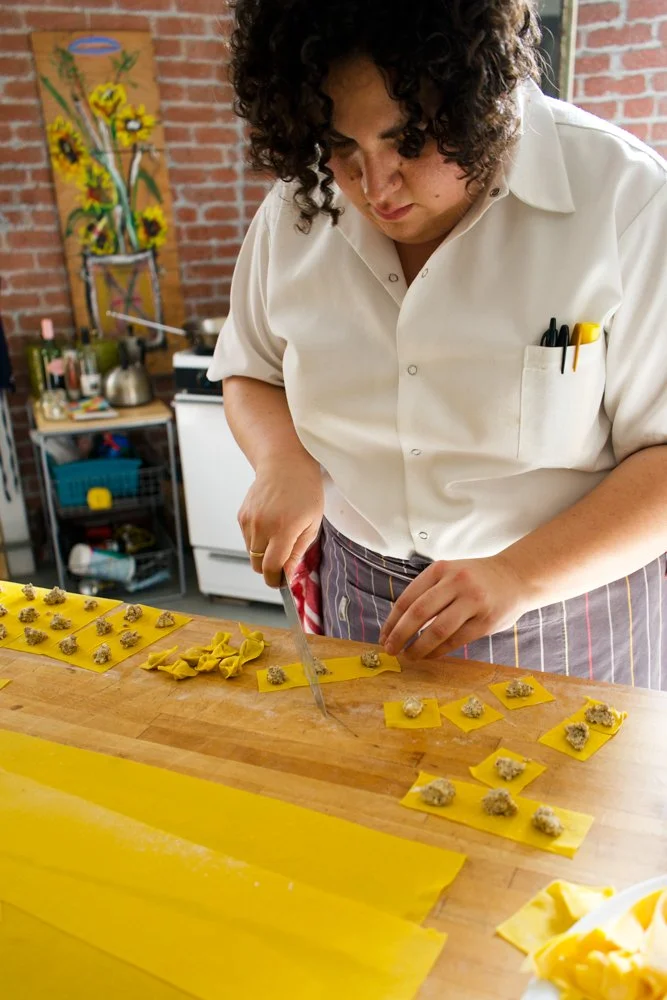
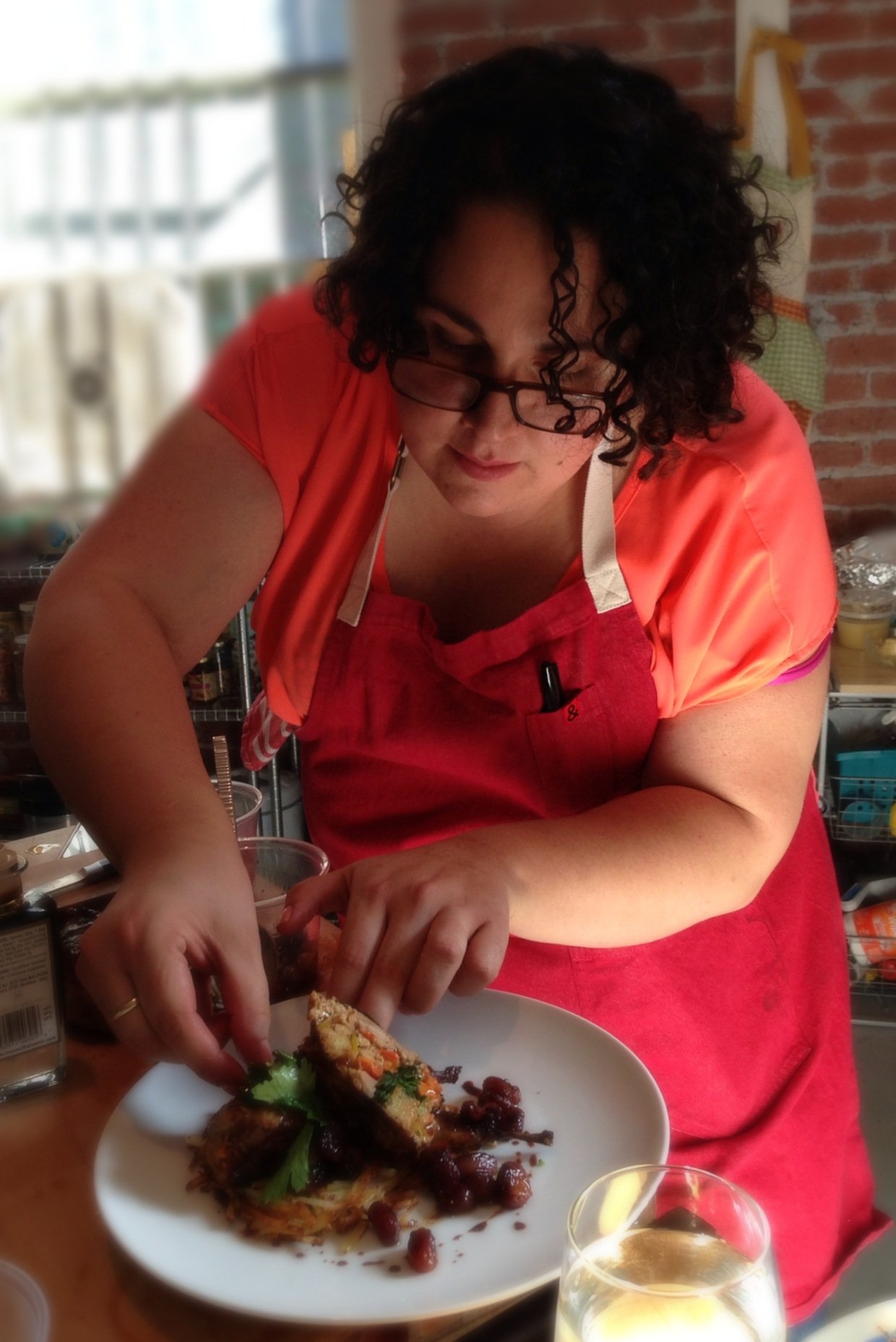
My mother loves to recount how at age four I never watched Saturday morning cartoons but instead was glued to PBS cooking programs. Concocting semi-disastrous smoothies, salads and sauces was the norm by six. In my pre-teen years, I was assisting my father as he meticulously prepared for his famous multi-course dinner parties. These were the feasts of kings: pâté, tomato-water aspic with prawns, prosciutto wrapped grissini, an all-day ragu of brisket and sausages, magazine-perfect roasts, the lightest of crème caramel and anisette-laced biscotti. These gatherings were never just about the food, but about the people and the stories.
Defining Hospitality
When I think of my own definition of hospitality, I reference my father and my family’s roles in the context of these dinner parties. He was the epitome of a home cook and host. My mother ran the dining room. My sister was the charming hostess, and I assisted with the culinary endeavors. The rules were simple: everybody was welcome at our table, the cooking was simple but painstakingly executed, and stories were just as abundant as the food and drink. These dinner parties have come to represent an ideal for my own cooking, aesthetic and persona.
Cooking with the Pros
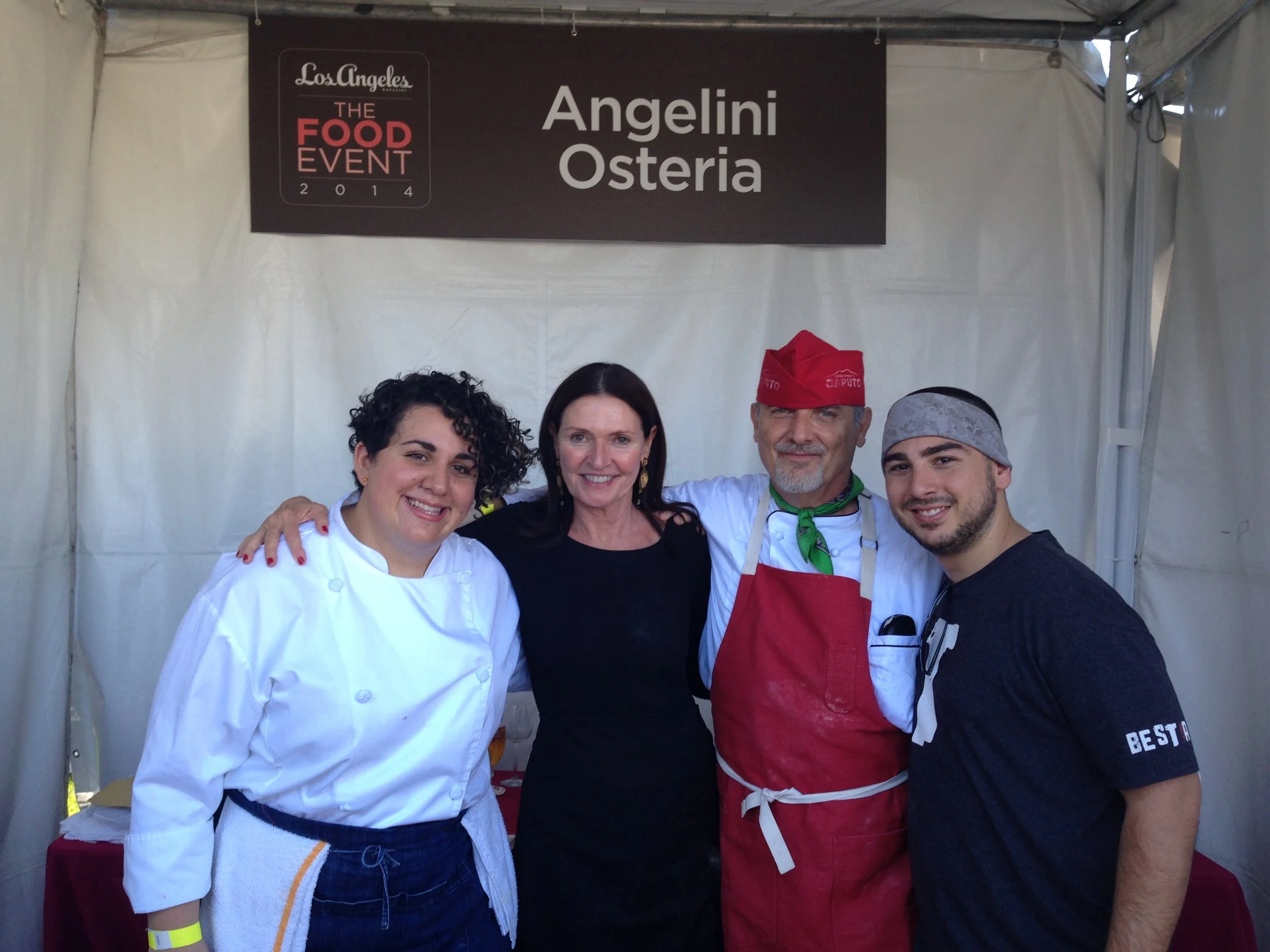
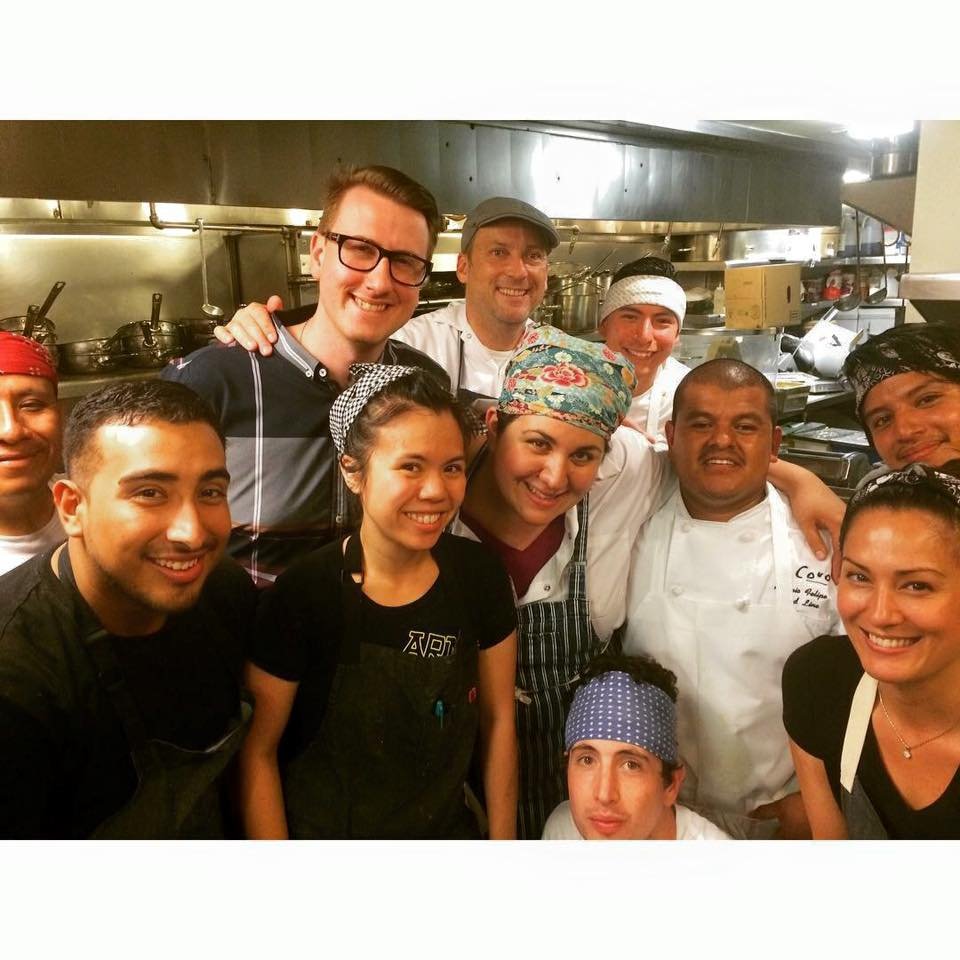
On the verge of turning 17, I decided I wanted to try my hand at working in a professional kitchen. I wrote a letter to the father of Los Angeles Italian cuisine, Chef Gino Angelini, detailing my love for cooking, my desire to pursue a career as a chef, and my absolute willingness to do the most humble of work in the kitchen in order to learn. In five weeks’ time, I went from stagiaire to employee at his restaurant, Angelini Osteria. Over the course of a few years, I worked my way through the hierarchy of the kitchen. Little did I know that an eager letter and youthful enthusiasm would lead to an ongoing mentorship from a great but humble chef.
In Chef Angelini's cooking I found a frame of reference for my own endeavors and in him a champion for my developing skills. Angelini Osteria was home during my teenage and young adult years. I would master my assigned station and on my off hours quietly observe the chefs and help with any task set before me. They would indulge me with tastes of the unknown: oxtail, truffles, and pheasant. But the greatest reward was increased responsibility and trust earned. Admittedly a love for food, creative expression and working with my hands initially attracted me to the kitchen, but eventually my work in the kitchen became more than just cooking.
Seasonal Eating
Between my years at the Osteria, I was fortunate to work with Chef Luigi Sartini of Taverna Righi in the Republic of San Marino. Chef Gino had reiterated time and time again the key points of la cucina Italiana, an adherence to time honored Italian techniques and flavor profiles - meaning eating seasonally. Seasonal cooking with whatever is best and (hopefully) locally available at that point in time is an ideal… dictated by nature and not by the demands of a fussy clientele. The Italians were not cooking seasonally because it was en vogue to do so, but simply because it was the way of life. I learned to butcher goats, I plucked feathers, hauled hindquarters of cattle and meticulously washed dirt encrusted produce. The day’s catch was still in rigor mortis, the tuna was not a prefabricated loin but rather a six-foot long beast, the rabbits still warm from the kill. There was a true connection between the producers, farmers and the kitchen; it was exhilarating and encouraging that this ideal could exist.
Tradition & Innovation
Immersed in the Italian food tradition I came to find great inspiration in the classics and regionally-specific dishes. I knew what it meant to be uncompromising in one’s vision, to relentlessly adhere to discipline, and then to intermingle tradition with one’s personal aesthetic. I spent the next several years branching out to French and California cuisine and exploring flavor combinations beyond la cucina Italiana. I learned new approaches, broke the learned norms of classical cuisine and further developed my leadership style in great kitchens across California.
I returned to Italy in 2015 and 2016 to further hone my skills and learn about the cuisines of Emilia-Romagna, Le Marche, and Liguria. I spent time with both chefs and the original (and oft-underrated) stars of regional, Italian cuisine… mamme e nonne (mothers and grandmothers).
Educational Endeavors
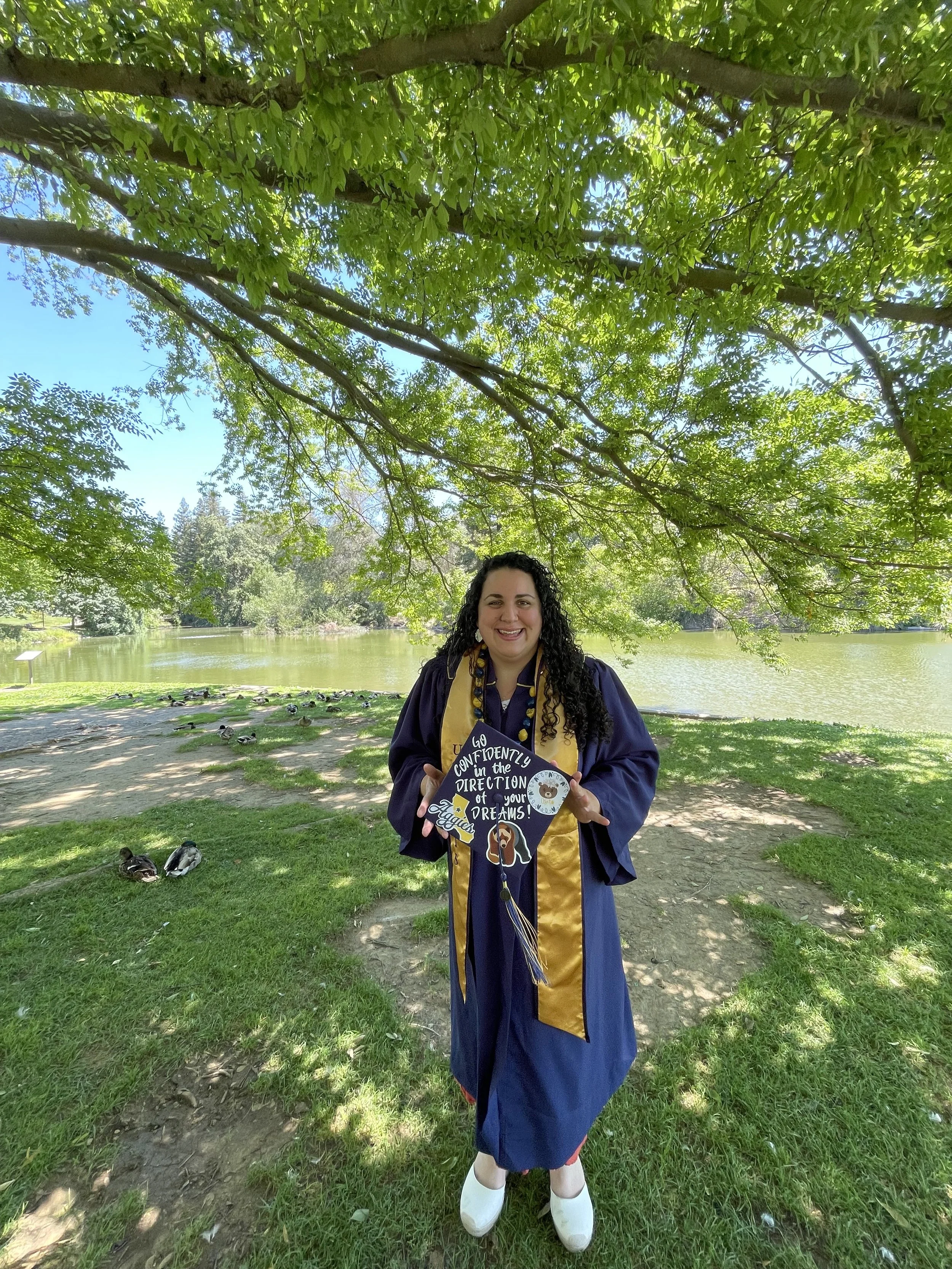
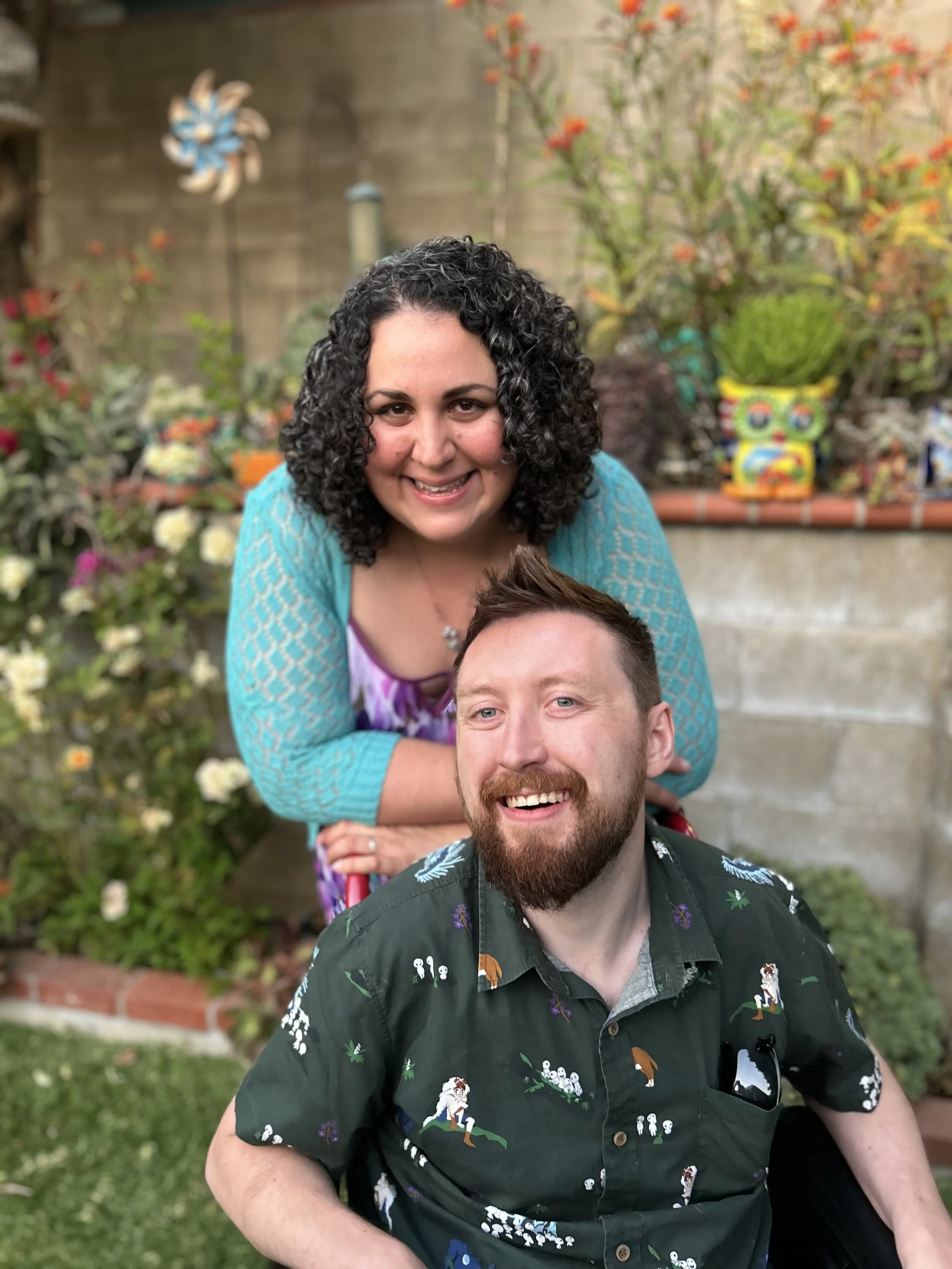
Upon my return to the US in 2017, I enrolled in community college with the goal of completing my associate degree. I spent three and a half years going to school part-time and working in kitchens. In 2020, I transferred to the University of California, Davis. There I majored in Spanish language and literature and minored in Italian language and literature; I graduated magna cum laude in 2022. However, the most spectacular occurrence at Davis was meeting my now husband, Brian. We were both (older than average) transfer students and met ironically while on our way back from the university’s dining commons.
Life in Illinois
Fast forward to 2026, and Brian and I have been married 2 years and he just wrapped up year 4 of his PhD studies. Since the completion of my B.A. and our move to Illinois, I had transitioned to non-culinary work. I have still been cooking at home nearly every day but have internally yearned to find my way back to the kitchen. I want to share my knowledge of Italian cuisine and my ideal of cooking with love and care with a wider audience. The kitchen allows me to tell stories through my cooking, to share my love with and for others, to express my cultural heritage, and to continuously hone my skill set.
Orsettina’s Kitchen
My kitchen friends and colleagues used to lovingly call me “orsetto” (“little bear” in Italian) which morphed into “l’Orsetto Angeleno”, the moniker I used while working in the culinary field in Los Angeles. It was an homage to my home city, where my family has lived for 7 generations. Since I no longer live in Los Angeles (but still love my nickname) a re-imagining of that moniker was in order. My project is called “Orsettina’s Kitchen”, a variation and feminization of “orsetto”. Now, with nearly two decades of professional cooking under my belt, I turn my attention to actualizing my own vision of Italian cuisine at “Orsettina’s Kitchen”.